A fast optical switch is not automatically a better optical switch. In many systems, increasing switching speed is only one objective among several. The switch must also introduce acceptable optical l...
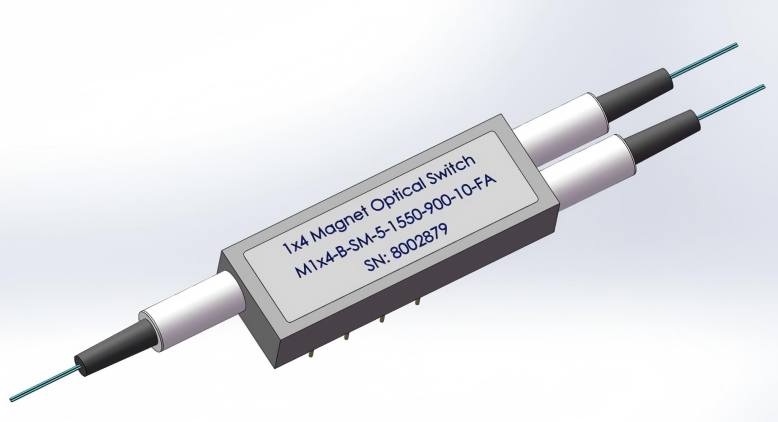
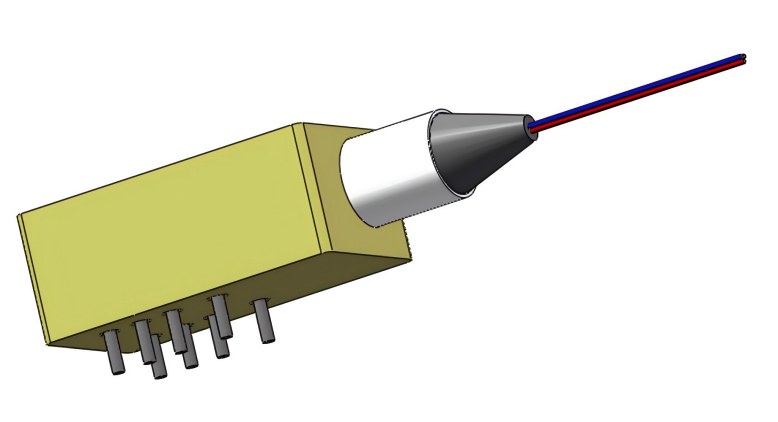
Choosing a fiber optical switch is rarely just a matter of selecting the number of ports. In a real optical system, the switch has to fit the routing architecture, signal type, switching requirements,...
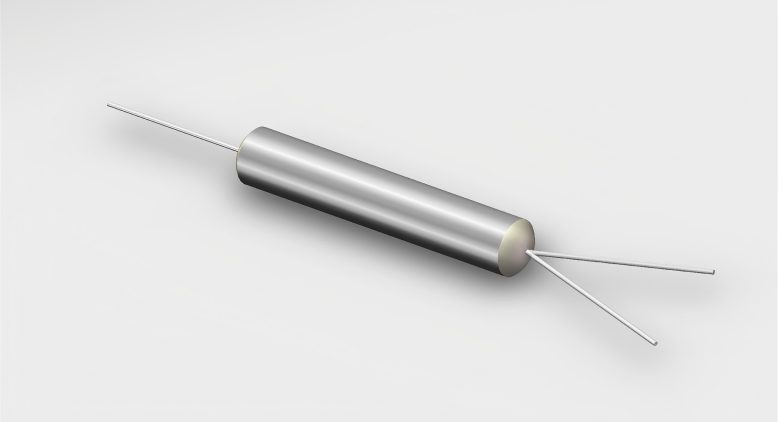
Two couplers can have the same nominal splitting ratio and still produce very different results in an optical system. The difference often becomes visible when engineers examine insertion loss and ret...
In a conventional fiber optic system, component size may not seem important until several optical functions have to fit into the same enclosure. Once designers begin working with compact sensing units...
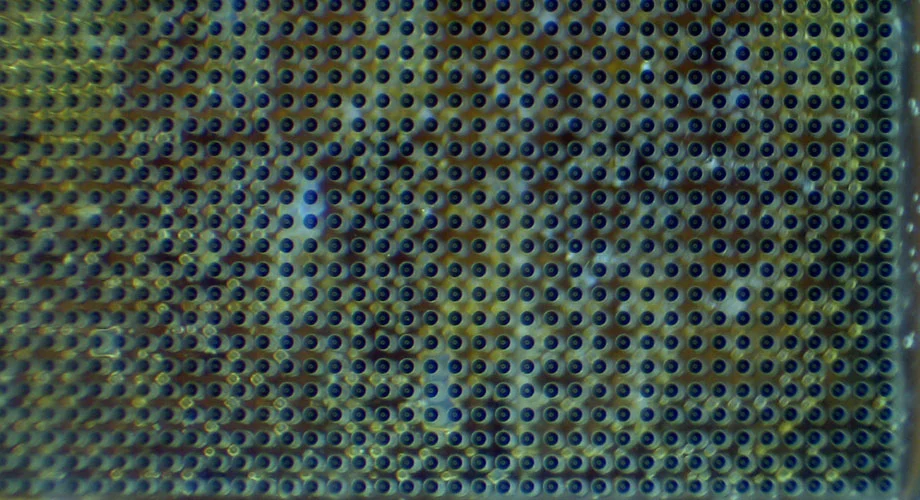
A 2D collimator array is an important optical interface in high-port-count wavelength selective switching (WSS) systems. By arranging multiple fiber collimators in two dimensions, it enables higher po...
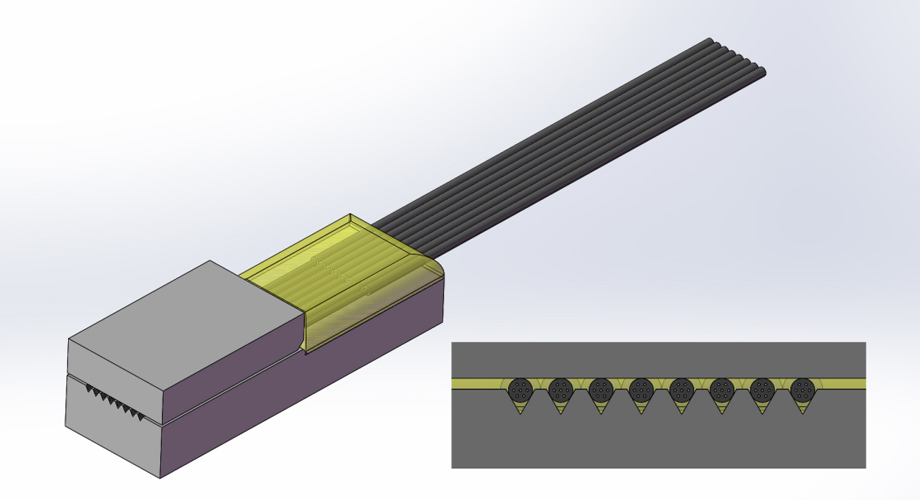
Multi-channel hermetic fiber arrays combine precise optical alignment with an airtight package interface, allowing several optical channels to pass into or out of a sealed optical module without sacri...
High-density optical connectivity is becoming increasingly important as photonic systems require more optical channels within smaller packages. Instead of continuously increasing the number of separat...
Optical coupling efficiency directly determines the performance of photonic systems, especially in silicon photonics, optical communications, LiDAR, sensing, and photonic integrated circuits (PICs). L...
A fiber bundle is a precision optical assembly that combines multiple optical fibers into a controlled arrangement to transfer light efficiently between different optical systems. Compared with indivi...
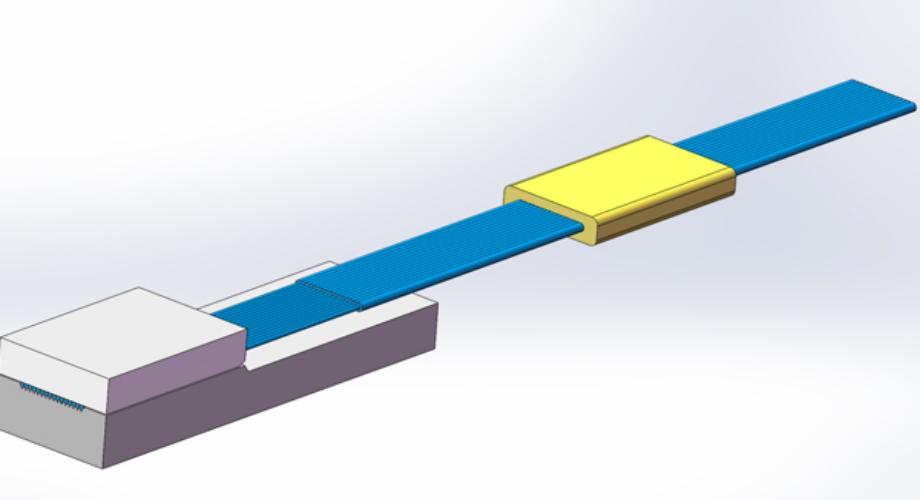
Linear fiber arrays have become a critical optical interconnection component because they enable highly accurate, low-loss coupling between optical fibers, photonic chips, and advanced optical modules...
PM fiber is designed to preserve the polarization state of transmitted light, while standard fiber allows polarization changes caused by environmental factors and fiber imperfections. In applications ...
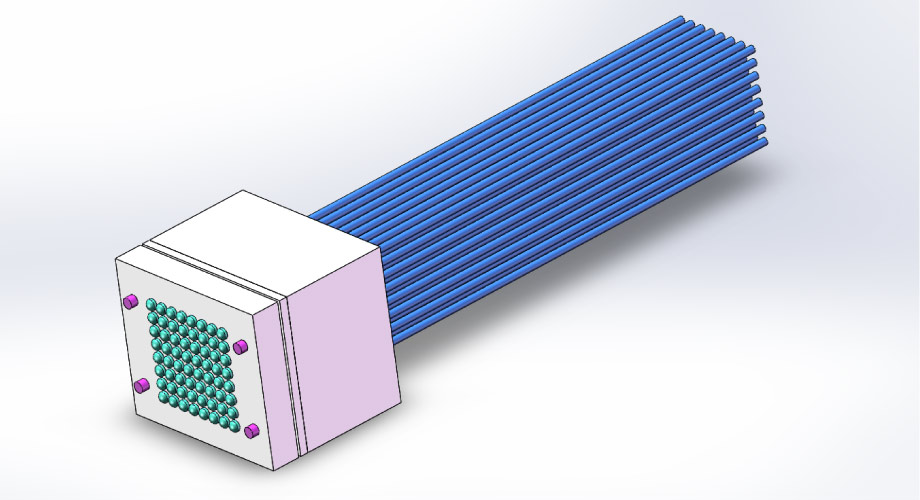
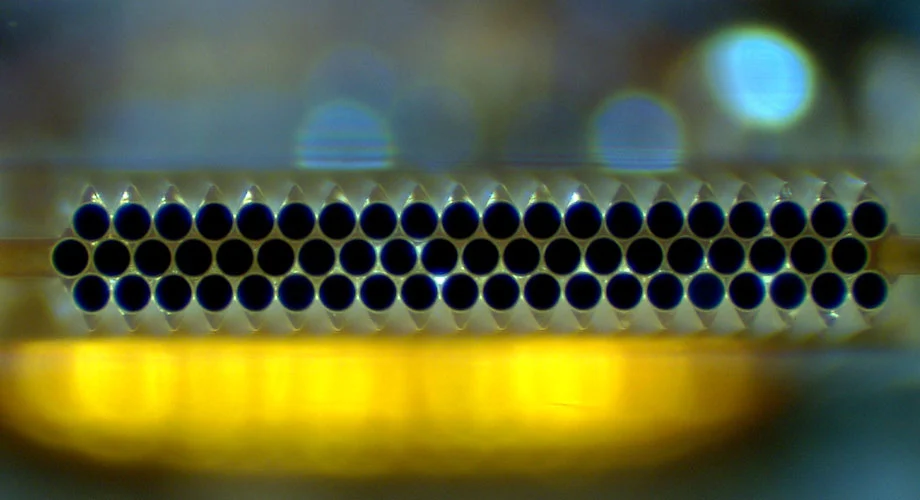
As optical systems continue to increase in channel count and integration density, 2D fiber array assemblies have become a critical enabling technology. Compared with traditional linear fiber array sol...
In modern fiber optic networks, speed, reliability, and precision are critical. A single mode switch plays a central role in enabling efficient signal routing in high-performance optical systems. Whet...
Fiber optic technology has transformed modern communication, offering unmatched speed, reliability, and signal integrity. At the heart of this revolution is the fiber optic bundle, a collection of opt...
We use cookies to offer you a better browsing experience, analyze site traffic and personalize content. By using this site, you agree to our use of cookies.
Visit our cookie policy to leamn more.






 English
 日本語
 한국어
 français
 Deutsch
 Español
 italiano
 русский
 português
 العربية