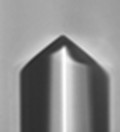
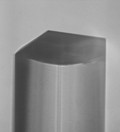
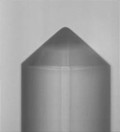
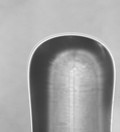
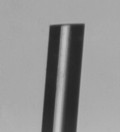
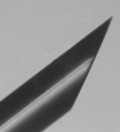
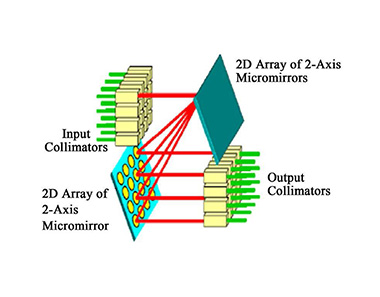
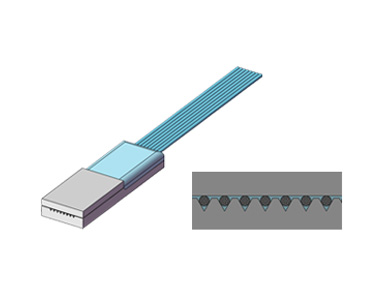
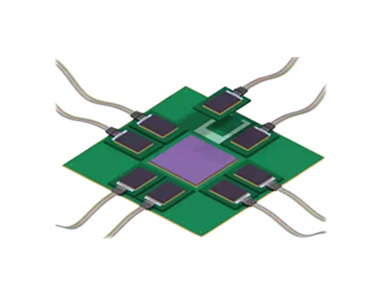
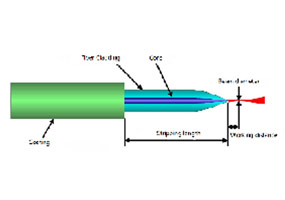
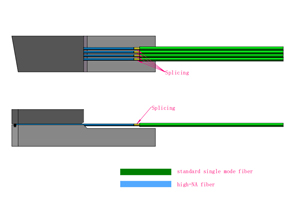
A fiber lens (also known as a lensed fiber) is a modified optical fiber with a specially shaped fiber tip designed to control light emission characteristics such as beam divergence, spot size, and focus position.
It is widely used to improve optical coupling efficiency between fibers, laser diodes, photonic integrated circuits (PICs), and sensing systems, especially where standard cleaved fibers cannot provide sufficient mode matching.
|
|
|
|
|
|
| Six Mainstream Fiber Lens End-Face Geometries | ||
Efficient optical coupling between optical fibers and photonic devices such as silicon photonic chips, laser diodes, and waveguides remains a major challenge in modern optical systems. One of the primary difficulties is the mismatch between the mode field diameter (MFD) of standard optical fibers and the optical mode size of integrated photonic components.
This mode mismatch often leads to significant coupling loss, reducing overall system efficiency and increasing power consumption in optical communication and sensing applications. In addition, precise alignment between fiber and chip is extremely sensitive, requiring sub-micron accuracy, which makes packaging and assembly complex and costly.
Another key challenge is the limited alignment tolerance in traditional butt-coupling methods. Even slight deviations in position or angle can result in a dramatic drop in coupling efficiency, which is especially critical in high-density photonic integration and mass-production environments.
In advanced applications such as silicon photonics, coherent communication systems, and optical interconnects, these challenges become even more pronounced due to smaller mode sizes and tighter integration requirements.
As a result, improving coupling efficiency while relaxing alignment tolerance has become a core engineering requirement. This is where lensed fiber coupling technology plays a critical role by reshaping the optical mode at the fiber tip to better match the target device, significantly reducing insertion loss and improving system stability.
In many photonic systems, optical loss is primarily caused by mode mismatch between two components.
For example:
Optical fiber → Laser diode
Optical fiber → Silicon photonics chip
Fiber → waveguide coupling structures
Without beam shaping, much of the optical power is lost due to divergence or mismatch in mode field diameter (MFD).
Fiber lenses solve this problem by optimizing the spatial distribution of light before coupling occurs.
Fiber lenses improve coupling efficiency by controlling how light exits the fiber and interacts with the receiving device.
Beam Shaping
Fiber lenses modify the divergence angle of the emitted beam, allowing it to better match the acceptance angle of the receiving optical system.
Spot Size Conversion
By expanding or focusing the beam, fiber lenses enable compatibility between components with different mode field diameters.
Mode Field Matching
Efficient coupling requires maximum overlap between optical modes. Fiber lenses increase this overlap, significantly reducing insertion loss.
Reflection Control
Certain fiber lens geometries reduce back reflection, improving laser stability and system reliability.
Inclined plane fiber lens can be 6° ~ 10° inclined and 40° ~ 50° or more inclined. 6° ~ 10° inclined fiber lens is used to prevent interference or damage caused by reflected light returning to the optical path; 40° ~ 50° or more inclined lensed fiber arrays can change the light path or even form a total reflection in the light path, and they can also increase the light area of the fiber, so that more light can enter into the fiber.
Applications: As for this kind of fibre lens, it is mainly used in optical fiber laser, optical fiber communication, traditional optics, and optical fiber sensing etc.
Combination of wedge-shaped lensed fiber are normally used for optical path coupling. Among them, there are micro cylindrical fiber lens made with wedge fiber lens front end, four-bevel fiber lens, and inclined wedge fiber lens, which are collectively called wedge fiber lens.
Most beam spot of LD is elliptic, and the ratio of the long and short axes of the ellipse is in direct proportion to the output power. Normally, the ratio is 3~5. it can be over 10 or even up to 50 for high-power LD. Obviously, such beam is difficult to be coupled into the optical fiber. In order to adapt to the shape of LD output beam, wedge-shaped fiber lens can be used by facing the two large wedges to the large divergence Angle of LD, so as to increase the efficiency of LD coupling into the optical fiber.
AR coating is needed for ordinary wedge lens to minimize the reflected light, but for wedge fibre lens, because of the special geometry, a refraction angle is formed between the LD and the fiber lens, therefore further avoid the influence of reflected light of LD and eliminate the noise caused by the reflected light as well. Compared with ordinary wedge - shaped optical fiber lens plating AR coating process, it reduced the cost and the instability caused by poor controlling of coating process.
Typical Use Cases
Laser diode coupling
Optical transceivers
Active alignment systems
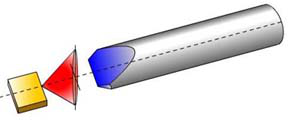
(figure2)
The application of spherical fiber lens can be used in many fields, such as optical coupling, biology field, medical science, sensing and so on. Re-fabricating of a bevel lens on a spherical fiber lens can be applied to OCT, an imaging diagnostic technique that has been developing rapidly in recent years. ( figure 3)
Typical Use Cases
Optical coherence tomography (OCT)
Biomedical imaging
Precision optical sensing
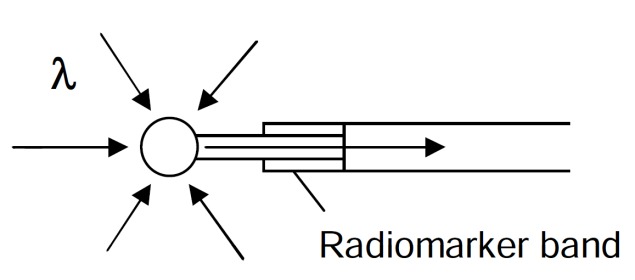
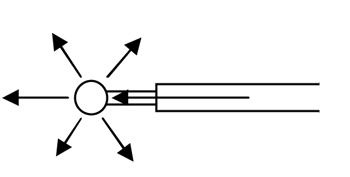
(figure 3)
Because the conical fiber lens can achieve the purpose of expanding the numerical aperture of the fiber and increasing the optical receiving capacity, conical fiber lens is very suitable for coupling with LD, DFB, SLD laser or VCSEL whose output beam cross section is round or approximately round.
Applications: High-precision conical fiber lenses are also used in medical laser microsurgery systems and micro lighting systems. (figure 4)
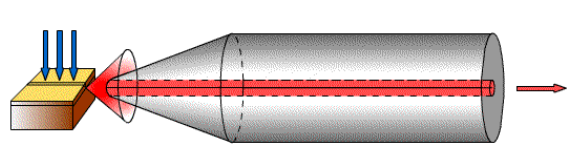
(figure 4)
Zhongshan MEISU has first-class optical fiber lens processing technology, and we have also independently developed a complete set of optical fiber lens grinding equipment, which can produce various shapes of optical fiber lens with low cost and high precision. With the help of the grinding equipment, we can also test the optical spot, far-field and other parameters of the lens. Different processing such as metallization, anti-plating (AR) coating, terminating with connector can also be added to the lens, besides, multiple fiber lenses can be assembled into fiber lens array.
MEISU specialized in lensed fiber for the commercial and research market place including optical fiber lens systems and telecommunication applications. MEISU fiber lens are high coupling performance components for improving lensed fiber coupling.
Optical fiber lens can be applied in optical fiber communication, fiber laser, industrial laser system, medical laser system, etc. For different application occasions, MEISU developed optical fiber lens with different structure and shape, some typical application examples are listed in the pictures below:
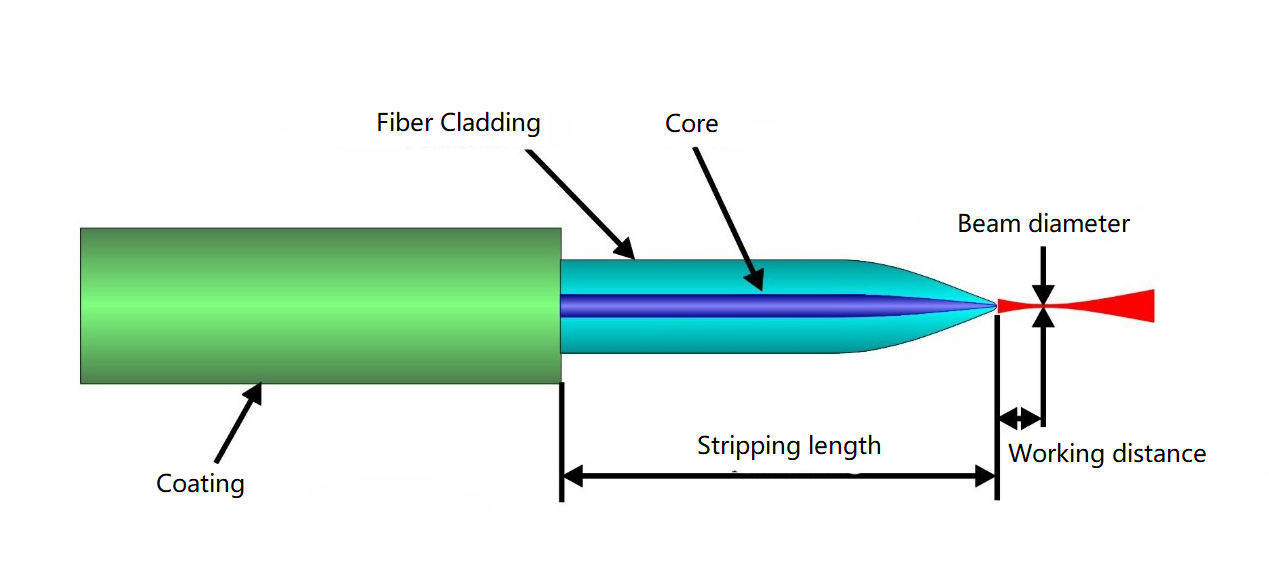
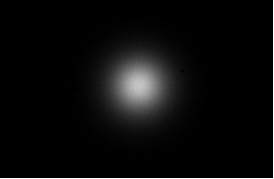
MFD lens fiber for Silicon chip coupling
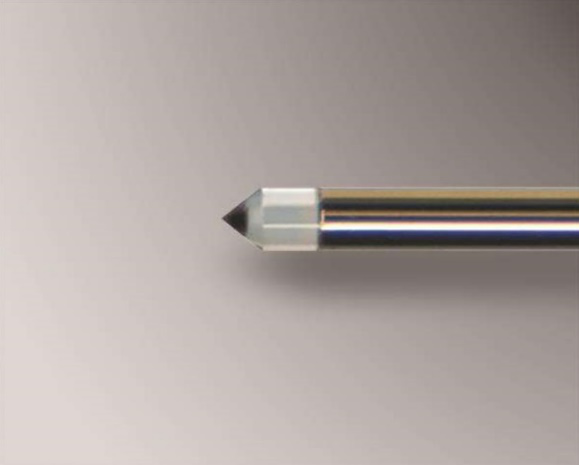
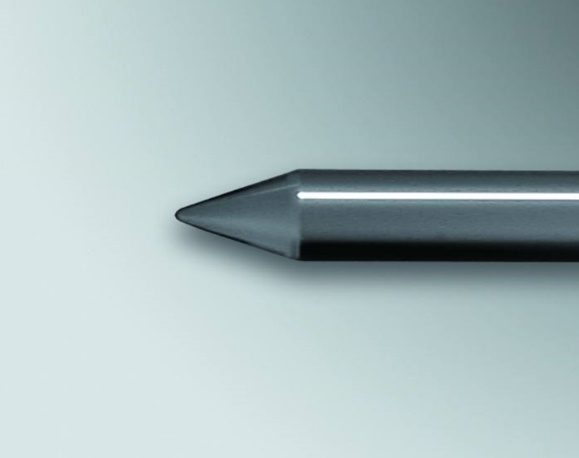
Conical fiber Metallized lens fiber
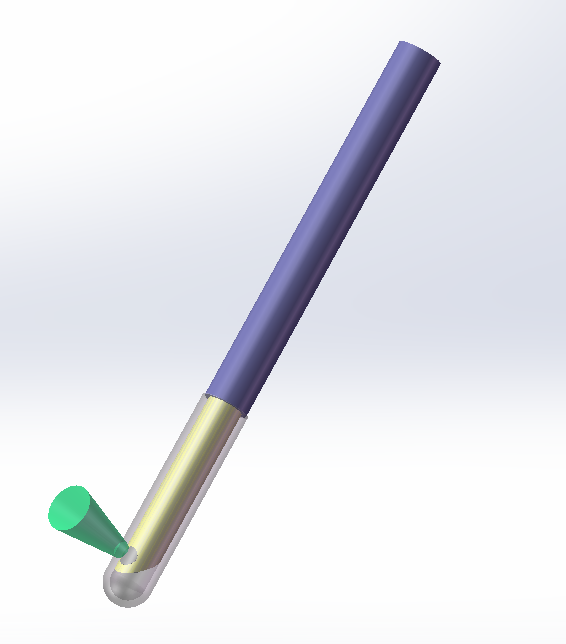
Side emitting medical laser fiber
PICs From http://www.53179.net/a/yule/364.html
 English
 日本語
日本語 한국어
한국어 français
 Deutsch
 Español
 italiano
 русский
 português
 العربية